
April 1, 2026
Affinda Resume Parser: Complete Guide for Recruiters
The recruitment landscape has transformed dramatically over the past decade, with technology playing an increasingly central role in how companies identify and engage talent. Among the most significant innovations is resume parsing technology, which automates the extraction of candidate information from resumes and CVs. The affinda resume parser represents one of the most advanced solutions in this space, offering recruitment teams the ability to process hundreds of applications in minutes while maintaining high accuracy levels. For organizations seeking to streamline their hiring processes, understanding how this technology works and its practical applications can make the difference between efficient talent acquisition and overwhelming administrative burden.
Understanding Resume Parsing Technology
Resume parsing technology converts unstructured data from resumes into structured, searchable information that recruitment systems can process and analyze. The affinda resume parser uses advanced artificial intelligence and natural language processing to identify and extract key information such as work experience, education credentials, skills, certifications, and contact details. This automated approach eliminates the manual data entry that traditionally consumed countless hours of recruiter time.
The technology behind modern resume parsers has evolved significantly from simple keyword matching to sophisticated machine learning models. These systems can now understand context, recognize abbreviations, and handle diverse resume formats ranging from traditional chronological layouts to creative designs. The affinda resume parser particularly excels in handling international resumes with varying formats and languages, making it valuable for companies recruiting across global markets.
Accuracy remains the most critical factor when evaluating any parsing solution. According to Affinda's NextGen Resume Parser announcement, their latest version achieves industry-leading accuracy rates through continuous training on diverse resume datasets. This precision ensures that recruiters can trust the extracted data without extensive manual verification, a significant advantage when processing high application volumes.
Key Features and Capabilities
The affinda resume parser offers comprehensive data extraction capabilities that extend beyond basic contact information. The system identifies over 100 different data points from each resume, including nuanced information such as employment gaps, career progression patterns, and technical skill proficiency levels. This granular data extraction enables sophisticated candidate analysis and matching algorithms.
Integration flexibility represents another crucial advantage. The affinda resume parser provides robust API access that allows seamless connection with applicant tracking systems, candidate relationship management platforms, and AI-based recruitment platforms. Organizations can incorporate the parsing functionality directly into their existing workflows without disrupting established processes or requiring extensive technical overhauls.
Multi-format support ensures that the system handles virtually any resume format that candidates submit. Whether processing PDFs, Word documents, plain text files, or even scanned images, the affinda resume parser maintains consistent extraction quality. This versatility eliminates the common frustration of rejecting applications due to technical incompatibilities.
Real-time processing capabilities enable immediate candidate data availability. As soon as a resume enters the system, the affinda resume parser extracts and structures the information, allowing recruiters to review and act on applications without delay. This speed advantage proves particularly valuable in competitive hiring markets where quick response times can determine whether top candidates remain available.
Implementation and Integration Process
Getting started with the affinda resume parser requires minimal technical complexity. The official documentation provides comprehensive guidance on API integration, authentication protocols, and data handling procedures. Most organizations can complete basic implementation within days rather than weeks, especially when working with experienced development teams.
API integration follows industry-standard REST principles, making it accessible to developers familiar with modern web services. Authentication uses secure token-based systems that protect sensitive candidate data while enabling authorized access across multiple users and systems. The API documentation includes detailed examples in multiple programming languages, facilitating smooth integration regardless of the technology stack.
Testing and validation form essential components of successful implementation. Organizations should process sample resumes representing their typical application diversity before full deployment. The affinda resume parser includes testing environments where teams can verify extraction accuracy, identify any format-specific issues, and fine-tune field mappings to match their specific data requirements.
Data mapping configuration allows customization of how extracted information flows into destination systems. Organizations can specify which fields correspond to their database schema, apply transformation rules, and establish validation criteria. This flexibility ensures that parsed data aligns with existing data structures and business logic within CV screening software solutions.
Accuracy and Data Quality Considerations
Understanding what resume parsing actually entails helps organizations set realistic expectations for data quality outcomes. Even the most advanced parsers encounter challenges with highly unconventional resume formats or extremely poor-quality scans. The affinda resume parser addresses these challenges through confidence scoring, which indicates the system's certainty level for each extracted data point.
Confidence scores enable intelligent handling of uncertain extractions. When the system detects lower confidence for specific fields, it can flag those records for human review rather than populating potentially incorrect data. This approach balances automation efficiency with data integrity, ensuring that recruitment databases maintain high quality standards.
Continuous improvement mechanisms keep the affinda resume parser adapting to evolving resume trends. The underlying machine learning models receive regular updates based on new resume patterns, emerging job titles, and changing industry terminology. Organizations benefit from these improvements automatically without requiring manual system updates or reconfiguration.
International capability distinguishes the affinda resume parser from many competitors. The system handles resumes in multiple languages and recognizes country-specific formatting conventions, educational systems, and professional credentials. This global reach proves essential for companies building diverse teams or operating across international markets.
Practical Applications in Recruitment Workflows
High-volume recruitment scenarios demonstrate the most dramatic efficiency gains from resume parsing technology. Organizations processing hundreds or thousands of applications for popular positions can reduce initial screening time by over 90 percent. The affinda resume parser enables this transformation by instantly converting application documents into searchable, comparable candidate profiles.
Talent pool building benefits significantly from automated resume parsing. Rather than limiting candidate databases to active applicants, recruitment teams can continuously expand their talent pools by parsing resumes from multiple sources. Job board responses, employee referrals, career fair collections, and proactive sourcing efforts all contribute candidates whose information the affinda resume parser can structure and store for future opportunities.
Candidate matching algorithms require structured data to function effectively. The affinda resume parser creates the foundation for sophisticated matching by extracting skills, experience levels, education qualifications, and other matching criteria in consistent formats. This structured approach enables automated resume screening software to compare candidates objectively against job requirements.
Analytics and reporting capabilities expand dramatically when resume data exists in structured formats. Organizations can analyze hiring metrics such as average candidate experience levels, most common skill combinations, geographic distribution patterns, and education credential prevalence. These insights inform strategic decisions about sourcing strategies, job requirement refinement, and compensation benchmarking.
Complementary Tools and Extended Functionality
Job description parsing represents a natural complement to resume parsing technology. Affinda's Job Description Parser extracts requirements, responsibilities, and qualifications from job postings, creating structured criteria that can be matched against parsed resume data. This bidirectional parsing enables true automated candidate-job matching.
Skill taxonomies and standardization enhance the value of parsed data. The affinda resume parser maps extracted skills to standardized taxonomies, ensuring that synonymous skills like "JavaScript" and "JS" or "Machine Learning" and "ML" receive consistent treatment. This normalization prevents qualified candidates from being overlooked due to terminology variations.
Duplicate detection capabilities prevent candidate records from fragmenting across multiple applications. When candidates apply for different positions or submit updated resumes, the affinda resume parser can identify potential duplicates based on contact information, employment history patterns, or other identifying characteristics. This deduplication maintains clean databases and provides complete candidate histories.
Enrichment services extend beyond basic parsing to enhance candidate profiles with additional context. Some implementations combine parsed resume data with publicly available professional information, social profiles, or credential verification services. These enriched profiles provide recruiters with more comprehensive candidate views without requiring manual research.
Security and Compliance Considerations
Data privacy regulations demand careful attention when processing candidate information. The affinda resume parser includes features supporting GDPR compliance, including data minimization principles, consent tracking capabilities, and secure data deletion processes. Organizations must configure these features appropriately based on their jurisdictional requirements and privacy policies.
Encryption protocols protect candidate data throughout the parsing process. Information remains encrypted during transmission to parsing servers, throughout processing, and when returning structured results. This end-to-end encryption ensures that sensitive personal information stays protected from unauthorized access.
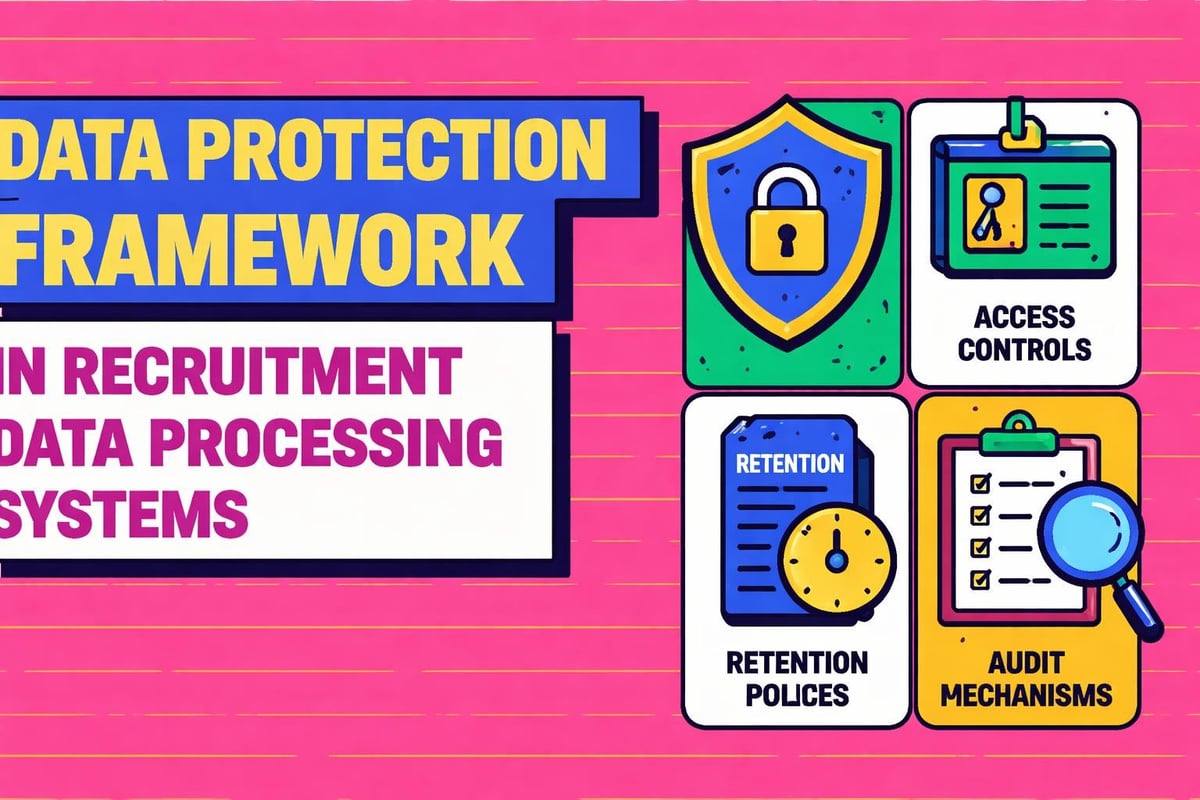
Access controls and audit trails provide transparency into who accesses candidate data and how it's used. The affinda resume parser supports role-based access controls that limit parsing capabilities to authorized users. Detailed logs track all parsing activities, creating accountability and supporting compliance audits.
Data retention policies require careful configuration. Organizations should establish clear rules about how long parsed candidate data remains in systems, when deletion occurs, and how candidates can request information removal. The affinda resume parser supports automated retention management that enforces organizational policies without manual intervention.
Measuring Return on Investment
Time savings represent the most immediate ROI metric for resume parsing adoption. Organizations should track hours spent on manual data entry before and after implementation. Most companies report 80-95 percent reduction in data entry time, translating to significant cost savings when calculated across recruiter salaries and hiring volumes.
Quality of hire improvements emerge from better candidate matching enabled by structured data. When AI insights can accurately compare candidates against requirements, the likelihood of identifying truly qualified candidates increases. Organizations should track performance metrics for hires sourced through parsed data compared to traditional manual screening methods.
Time-to-fill reductions often accompany resume parsing adoption. Faster initial screening enables quicker movement through hiring pipelines. The affinda resume parser's real-time processing means that qualified candidates receive responses sooner, improving candidate experience and reducing the risk of losing top talent to competitors.
Scalability benefits become apparent during growth periods or seasonal hiring spikes. Organizations using the affinda resume parser can handle application volume increases without proportional recruiter headcount expansion. This scalability provides flexibility to pursue aggressive growth strategies or respond to unexpected hiring needs.
Future Developments and Industry Trends
Machine learning advancement continues pushing resume parsing accuracy higher. The affinda resume parser benefits from ongoing research into natural language understanding, entity recognition, and context interpretation. These improvements enable extraction of increasingly nuanced information such as leadership experience indicators, problem-solving capabilities, and cultural fit signals.
Video resume parsing represents an emerging frontier. As video applications become more common, parsing technology evolves to extract information from spoken content, visual cues, and presentation style. While still developing, this capability could transform how organizations process multimedia applications.
Bias detection and mitigation features address growing concerns about fairness in recruitment automation. Advanced parsing systems can identify potentially biasing information and either redact it or flag it for special handling. Understanding how resume parsing software works helps organizations implement these fairness features effectively.
Integration with comprehensive recruitment ecosystems continues deepening. The affinda resume parser increasingly connects not just with applicant tracking systems but with talent intelligence platforms, skills assessment tools, background check services, and onboarding systems. This ecosystem integration creates seamless candidate journeys from application through hiring.
Technical Performance and Reliability
Processing speed varies based on resume complexity and format, but the affinda resume parser typically processes standard resumes in under two seconds. This rapid processing enables real-time application workflows where candidates receive immediate confirmations and recruiters can review applications as they arrive.
Uptime reliability matters critically for organizations depending on parsing for application processing. The affinda resume parser operates on robust infrastructure with redundancy and failover capabilities ensuring consistent availability. Service level agreements typically guarantee 99.9 percent uptime, minimizing disruption to recruitment operations.
Error handling and recovery mechanisms ensure graceful degradation when encountering problematic resumes. Rather than failing completely, the affinda resume parser extracts whatever information it can successfully identify while flagging uncertain or missing fields. This partial extraction often provides enough information for initial screening decisions.
Batch processing capabilities support bulk resume parsing for existing candidate databases or large recruitment drives. Organizations can upload hundreds or thousands of resumes simultaneously, with the affinda resume parser processing them efficiently and returning structured results. This batch functionality proves valuable when digitizing historical resume archives or processing career fair collections.
Modern recruitment demands efficiency, accuracy, and scalability that manual processes simply cannot deliver. The affinda resume parser provides recruitment teams with powerful automation that transforms application processing from a time-consuming bottleneck into a streamlined, data-driven operation. For organizations ready to embrace these capabilities and leverage AI-driven candidate analysis, Klearskill offers comprehensive recruitment software that uses AI to analyze candidate CVs and ranks candidates to give recruiters a shortlist in moments, turning parsed data into hiring decisions with unprecedented speed and precision.


